
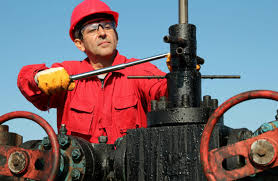
Why are flame retardant protective clothing so expensive?
Sticker shock from FR clothing prices makes you question the cost. Is it just overpriced fabric? Cutting corners on safety is a huge risk, so let's uncover the value.
FR clothing is expensive due to specialized materials, complex manufacturing, and rigorous safety testing and certification. These factors ensure the garment can save a life, making it a critical investment in safety[^1], not just an expense to be minimized.

I've seen many companies hesitate at the price tag. They see a $300 coverall and compare it to a standard $50 one. But that's the wrong comparison. The real comparison is between the cost of the gear and the cost of a serious accident. When you look at it that way, the price starts to make a lot more sense. Let's dig into why these garments cost what they do and how to see their true worth.
All FR clothing is permanently flame-resistant.False
Some FR clothing is treated with chemicals that can wash out over time, while others are made from inherently flame-resistant fibers that offer permanent protection.
The National Fire Protection Association (NFPA) 2112 is a key standard for FR clothing.True
NFPA 2112 specifies the minimum design, performance, certification, and testing requirements for flame-resistant garments for use by industrial personnel.
What makes FR clothing so crucial in a modern workshop?
In a busy workshop, fire hazards from sparks or electrical faults are a constant, unseen threat. A single accident can cause life-altering injuries. Standard workwear offers zero protection.
FR clothing is crucial because it's designed to self-extinguish, preventing severe burns from flash fires or arc flashes. It provides the critical seconds needed to escape danger, drastically reducing injury severity and protecting your most valuable asset: your team.
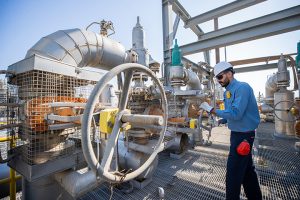
On the job, risks are always present. Flame-resistant clothing is more than just a safety feature; it’s a lifeline, a barrier between workers and potential disaster. In environments with combustible dusts, flammable liquids, or high-powered electrical equipment—common in many manufacturing and molding plants—flash fires can happen in an instant. Standard cotton or polyester clothing can literally melt against the skin, making a bad situation even worse. Flame-resistant clothing is engineered to resist ignition and, more importantly, stop burning once the heat source is removed. This property, known as self-extinguishing, can save lives and turn potentially fatal incidents into survivable ones.
The Core Function of FR Clothing
- Ignition Resistance: Prevents the clothing from easily catching fire.
- Self-Extinguishing: Stops burning once the initial flame source is gone.
- Insulation: Provides a thermal barrier to reduce the severity of burns.
Wearing a non-FR t-shirt under FR clothing negates its protective qualities.True
Meltable fibers like polyester or nylon worn underneath can melt to the skin during a thermal event, causing severe burns even if the outer FR garment performs correctly.
FR clothing is completely fireproof.False
FR clothing is flame-resistant, not fireproof. It is designed to provide thermal protection against brief exposure to flame and to self-extinguish, but it will not protect against prolonged fire exposure.
What exactly are you paying for when you buy FR clothing?
The high price of FR clothing can be hard to justify without knowing what's behind it. You might feel like you're just paying for a simple safety tag.
You're paying for advanced, inherently flame-resistant fibers[^2], specialized manufacturing techniques, and extensive third-party testing to meet strict safety standards like NFPA 2112. Each step adds cost but also adds a layer of life-saving protection and durability.
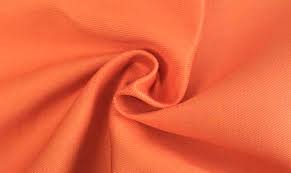
The price isn't arbitrary. It's a direct result of the science and engineering that goes into every garment. Think of it like a high-performance mold steel versus standard steel; you pay more for specialized properties. The biggest cost driver is the material itself. Fibers like Nomex®, Kevlar®, or Modacrylic are not cheap to produce. They are engineered at a molecular level to be flame-resistant. This isn't a simple chemical coating that can wash away. Then there's the construction. FR garments require special threads, zippers, and buttons that are also flame-resistant. You can't use a standard polyester thread that would melt and compromise the seam's integrity. Finally, the testing is rigorous and expensive. Each batch of fabric and every garment design must be tested to ensure it performs as expected in a real-world fire scenario.
Cost Breakdown of FR Garments
| Component | Description | Impact on Cost |
|---|---|---|
| Fibers & Fabric | Inherently FR fibers (e.g., Nomex®, Modacrylic) are complex and costly to synthesize. | High |
| Manufacturing | Requires FR-rated thread, zippers, and buttons. Specialized sewing techniques. | Medium |
| R&D | Ongoing research to improve comfort, durability, and protection levels. | Medium |
| Testing & Certification | Third-party testing to meet standards like NFPA and ASTM. This is a recurring cost. | High |
FR clothing costs more because of the brand name.False
While brand reputation matters, the primary cost drivers are the specialized materials, research, and mandatory safety certifications, not marketing or branding.
The thread used in FR clothing must also be flame-resistant.True
Using non-FR thread would create weak points. In a fire, the thread would burn or melt, causing the garment to fall apart and exposing the wearer to danger.
Are you letting common myths cloud your judgment on FR clothing costs?
Misinformation about FR clothing can lead to poor purchasing decisions based on false assumptions. Believing these myths could lead you to choose cheaper, less effective options, putting people at risk.
A common myth is that "all FR is the same," so the cheapest option is fine. In reality, treated vs. inherent fibers, protection levels, and durability vary greatly. The price reflects the garment's performance and lifespan.

I've heard it all over the years. "It's just a treated cotton shirt, I can get that cheap." This is one of the biggest misconceptions. There's a huge difference between FR-treated (FRT) cotton and garments made from inherently flame-resistant fibers. FRT cotton is cheaper initially, but the protective chemical treatment can wash out over time, especially with improper laundering. Inherent FR fabrics have flame resistance built into their DNA; it never washes out or wears away. So, while the initial cost is higher, the lifetime value and guaranteed protection are far greater. Another myth is that the high price is just corporate greed. But as we've seen, the costs for specialized materials and rigorous, life-or-death testing are substantial. These aren't optional add-ons; they are the very essence of what makes the clothing protective.
Myth vs. Reality
- Myth 1: Cheaper, FR-treated garments are just as good.
- Reality: The protection can diminish with each wash. Inherent FR offers permanent, reliable protection for the life of the garment.
- Myth 2: The high cost is just for the brand name.
- Reality: The cost is tied to expensive raw materials, specialized manufacturing, and continuous, costly safety certification[^3].
- Myth 3: You don't need it if you're careful.
- Reality: Accidents happen unexpectedly. FR clothing is for the moment you can't predict, providing a critical safety net.
FR-treated clothing loses its protective properties if you use fabric softener.True
Fabric softeners and chlorine bleach can coat the fibers or degrade the chemical treatment, reducing or eliminating the garment's flame-resistant properties.
You can tell if a garment is FR just by looking at it.False
Proper FR clothing must have a label that clearly states it meets specific safety standards, such as NFPA 2112. Visual inspection is not a reliable method.
How can you prove the investment value of FR clothing?
Getting budget approval for expensive safety gear can be a major hurdle. Focusing only on the upfront cost can lead to rejection, leaving your team exposed to unnecessary risks.
Justify the cost by calculating the Total Cost of Ownership (TCO) and comparing it to the potential cost of a single incident. A durable, inherent FR garment prevents millions in accident-related expenses.
This is where we need to think like business owners, not just designers or managers. The key is to shift the conversation from "expense" to "investment." I learned this when running my own company. You have to look at the bigger picture. The "hidden value" I mentioned earlier is crucial here. Let's use the oil rig example: a $300 coverall prevents a $2 million catastrophe. That's an incredible return on investment. You can apply this logic to any industrial setting. Calculate the potential costs of a single serious burn injury: medical bills, workers' compensation, lost productivity, equipment damage, potential lawsuits, and damage to your company's reputation. Suddenly, the cost of proper FR clothing looks tiny in comparison. It's an insurance policy that you hope you never have to use, but you can't afford to be without.
Calculating the Return on Safety Investment (ROSI)
| Cost Factor | Without Proper FR | With Proper FR |
|---|---|---|
| Initial Outlay | $50 (Standard Coverall) | $300 (FR Coverall) |
| Medical Costs | $1,000,000+ | $0 - $10,000 (Minor Injury) |
| Lost Production | $500,000+ | Minimal |
| Legal/Fines | $500,000+ | Minimal to None |
| Total Potential Cost | ~$2,000,050 | ~$300 |
The average cost of a workplace electrical injury involving burns can exceed $1 million.True
Direct medical costs, combined with indirect costs like litigation, fines, and lost production, can easily push the total cost of a serious burn injury into the millions.
Investing in safety has no positive impact on a company's profitability.False
Studies show that effective safety programs reduce costs associated with injuries and illnesses, leading to increased productivity and profitability. For every $1 invested in safety, companies can see a return of $2 to $6.
How can you manage FR clothing costs effectively?
You need to protect your team, but your budget for personal protective equipment (PPE) is tight. Choosing the wrong cost-cutting measures could compromise safety and end up costing you more.
Save costs by choosing durable, inherent FR garments[^4] with a lower cost-per-wear, implementing a professional laundering program to maximize garment life, and buying through programs that offer volume discounts.
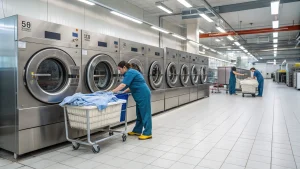
Being smart with your budget doesn't mean being cheap. It means being strategic. First, focus on the total cost of ownership, not just the purchase price. An inherent FR garment might cost more upfront than a treated one, but if it lasts three times as long, it's the more economical choice. Second, proper care is everything. Improper home laundering with fabric softeners or bleach can ruin a garment's protective qualities. Implementing a managed laundry program ensures they are cleaned correctly, maximizing their lifespan and effectiveness. This also takes the burden off your employees. Finally, explore purchasing options. Many suppliers offer rental programs or discounts for bulk orders, which can significantly lower the initial financial hit. The goal is to find the sweet spot between cost and quality, ensuring every dollar is spent on genuine, lasting protection.
Smart Cost-Saving Strategies
- Focus on Durability: Calculate cost-per-wear. A more durable garment is cheaper in the long run.
- Implement Proper Care: Use a professional laundering service to extend the life of the garments and ensure continued compliance.
- Explore Purchase/Rental Programs: Look for volume discounts or rental programs to manage cash flow.
- Don't Skimp on Standards: Always buy certified clothing[^5]
Renting FR clothing is always cheaper than buying it.False
Renting can be a good option for short-term needs or to manage cash flow, but for long-term, stable workforces, buying can have a lower total cost of ownership over the garment's life.
Proper laundering can significantly extend the life of an FR garment.True
Following manufacturer guidelines for washing and drying prevents damage to the FR properties and fabric integrity, ensuring the garment lasts longer and performs correctly.
Conclusion
The high price of FR clothing reflects its value as life-saving equipment. Investing in quality protection is a small price to pay for safety, productivity, and peace of mind.
References
[^1]: Investing in safety can lead to significant cost savings and increased productivity, making it a wise business decision.
[^2]: Understanding flame-resistant fibers is crucial for recognizing their role in safety and durability in protective clothing.
[^3]: Safety certification ensures that FR clothing meets rigorous standards, providing necessary protection.
[^4]: Inherent FR garments provide permanent protection, making them a smarter long-term investment.
[^5]: Always buy certified clothing
