
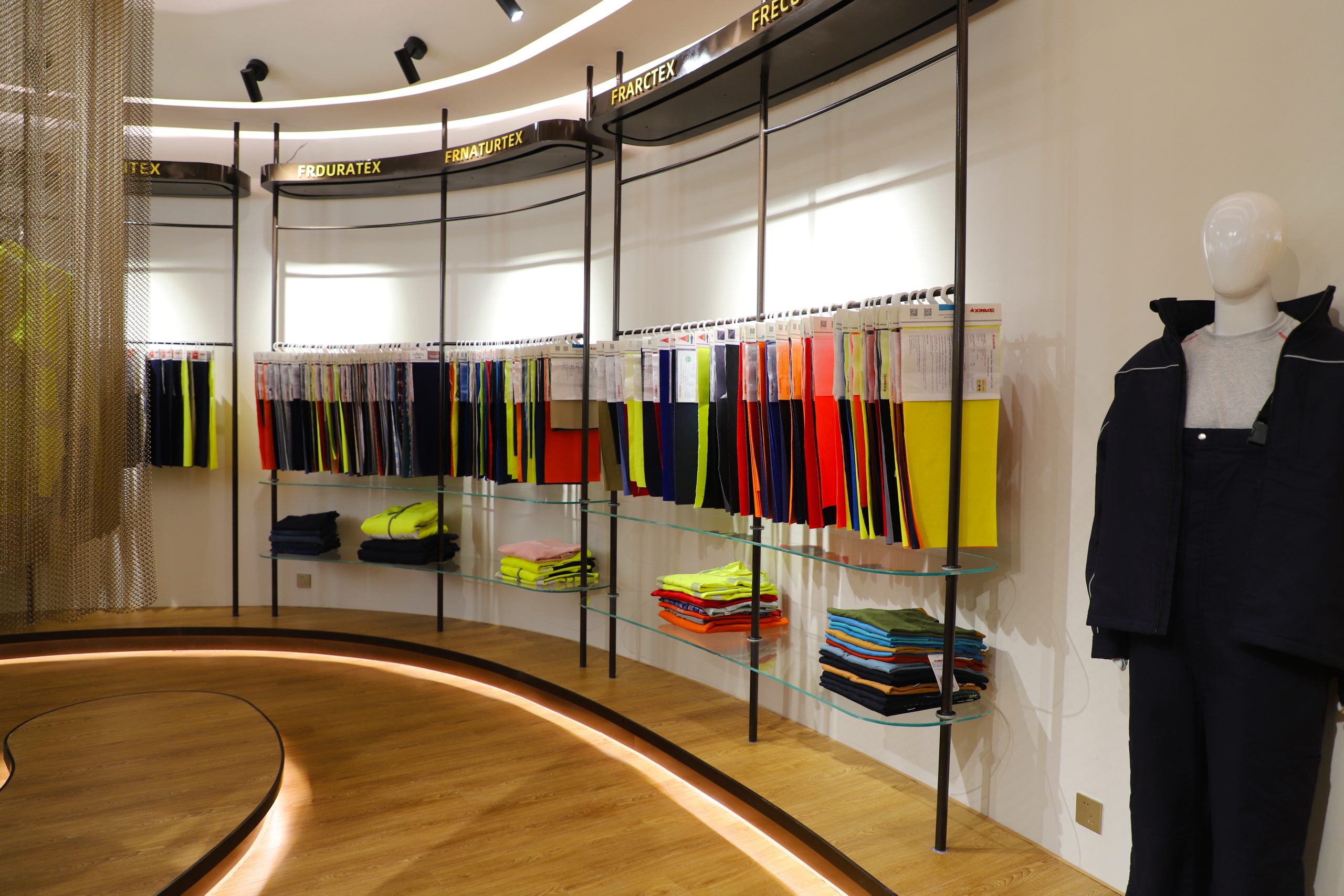
What fabric is most flame-resistant?
Working in high-risk jobs means facing fire hazards daily. The wrong clothing can ignite or melt, causing severe injury. Understanding fabric properties is your first line of defense.
The most flame-resistant fabrics[^1] are inherently FR materials like aramids (e.g., FRNATURTEX®, Nomex®, Kevlar®). Their chemical structure is naturally flame-resistant, so they won't melt, drip, or burn when exposed to heat. This provides the highest level of protection against thermal hazards.
While aramids are top-tier, they aren't the only solution. The "best" fabric for you is more than just a single material type. It's about finding the right balance of protection, comfort, and durability for your specific job. Let's explore the different kinds of flame-resistant materials and what makes them suitable for various tasks.
All synthetic fabrics melt when exposed to flame.False
This is false. While many synthetics like polyester and nylon melt, inherently flame-resistant synthetics like aramids and modacrylics do not melt or drip; they char instead.
Untreated natural fibers like cotton and wool can ignite and burn easily.True
This is true. In their natural state, these fibers offer no flame resistance and can be a significant fire hazard without specialized FR treatment.
How Do We Understand Flame Resistance in Fabrics?
The term "flame-resistant" gets used a lot, but its true meaning is often misunderstood. This confusion can lead to choosing the wrong gear, putting you in serious danger.
Flame resistance is a fabric's ability to self-extinguish after an ignition source is removed. It is not 'fireproof.' Key traits include not melting, dripping, or breaking open, which prevents further injury and shields the skin from direct heat.

When I first started in textile engineering, I saw firsthand the horrific injuries caused by clothing that melts. A regular polyester shirt can melt onto the skin in seconds, making a burn far worse. This is why true flame-resistant (FR) fabric is so important. It's designed to do the opposite. Instead of melting, it forms a layer of char.
Key Characteristics of FR Fabrics
This charring effect is critical. It creates an insulating barrier between the fire and your skin, cutting off the fuel source (the fabric) and protecting you from intense heat. The fabric essentially sacrifices itself to save you.
| Feature | Non-FR Fabric (e.g., Polyester) | FR Fabric (e.g., Aramid, FR Cotton) |
|---|---|---|
| Reaction to Flame | Ignites, continues to burn, melts, drips | Self-extinguishes when flame is removed |
| After Exposure | Melts onto skin, causing severe secondary burns | Forms a stable, insulating char layer |
| Protection Level | None. It becomes an additional hazard. | Limits burn injury, protects skin |
Understanding this difference is the first step in choosing gear that will actually protect you when it matters most.
Flame-resistant clothing is completely fireproof.False
No clothing is fireproof. FR clothing is designed to resist ignition and self-extinguish, which significantly reduces burn injury, but it can be damaged or destroyed by continuous, intense fire exposure.
The main purpose of FR fabric is to self-extinguish to limit burn injury.True
This is the core principle of FR technology. By stopping the fabric from continuing to burn on its own, it drastically reduces the time the body is exposed to flame, minimizing the severity of burns.
What's the Difference Between Inherent and Treated FR Fabrics?
You see "inherent FR" and "treated FR" on labels, but the difference isn't always clear. Choosing the wrong one could mean your protection washes out, leaving you exposed without even knowing it.
inherent FR fabrics[^2] have flame resistance built into their fiber structure; it never washes out or wears away. Treated FR fabrics, usually cotton, are given flame-resistant properties through a chemical process. This protection can fade with improper laundering.
At Xinke Protective, we work with both types because they serve different needs. Think of it like this: inherent protection is permanent, while treated protection requires a bit more care.
Inherent FR Fabrics: Built-in Protection
These are the high-performance materials. The flame resistance is part of their DNA. No matter how many times you wash or wear the garment, the protection remains. This is why they are trusted for the most extreme hazards.
Treated FR Fabrics: Applied Safety
Here, we take a fabric like cotton, which is comfortable and breathable, and apply a sophisticated chemical treatment. This process alters the fiber to make it self-extinguishing. It's a fantastic way to get reliable protection at a more accessible price point, but you have to follow the care instructions. Using bleach or fabric softeners can break down the FR treatment over time.
| Feature | Inherent FR Fabrics | Treated FR Fabrics |
|---|---|---|
| FR Durability | Permanent; for the life of the garment | Can diminish with improper washing |
| Protection Level | Generally higher, no melting | Reliable, meets standards, but can degrade |
| Comfort | Can be less breathable, stiffer | Often very comfortable and breathable |
| Cost | Higher initial investment | More cost-effective |
| Examples | Aramids (FRNATURTEX®), Modacrylics | FR Cotton, FR Cotton/Nylon Blends |
FR treatments on cotton fabrics are permanent, no matter how you wash them.False
This is incorrect. The effectiveness of FR treatments can be compromised by improper laundering, such as using bleach, hydrogen peroxide, or fabric softeners, which can break down the chemical bonds.
Inherent FR properties do not diminish with washing or wear.True
This is true. Because the flame resistance is an essential property of the fiber itself, it cannot be washed out or worn away. The protection lasts for the entire life of the garment.
What Are the Top Flame-Resistant Fabrics for Workwear?
With so many FR options, picking the right one for your job can feel overwhelming. A fabric that's great for a welder might not be the best choice for an electrician.
The top FR fabrics for workwear are aramids (like Nomex®) for high-heat risks, modacrylic blends for their versatility and comfort, and FR-treated cotton/nylon blends, which offer a great balance of protection, breathability, and value for many industries.
Over our 20 years in this business, we've manufactured and tested them all. Each one has its place, depending on the specific hazards and needs of the worker.
Aramid Fibers (e.g., FRNATURTEX®, Nomex®)
These are the elite performers. They offer outstanding protection against intense heat and flame and will not melt or drip. They are the standard for high-risk jobs like oil and gas, firefighting, and motorsports.
Modacrylic Blends
Modacrylics are inherently flame-resistant fibers that are often blended with other fibers like cotton or lyocell. This creates a fabric that is soft, comfortable, and provides excellent FR and arc flash protection[^3] without the stiffness sometimes associated with aramids.
FR-Treated Cotton/Nylon Blends
This is the workhorse of the FR industry. By treating a blend of 88% cotton and 12% nylon, we get a fabric that is comfortable, breathable, and very durable. The nylon adds significant abrasion resistance, making the garment last longer. It's a cost-effective solution that meets critical safety standards like NFPA 2112[^4].
| Fabric Type | Key Advantage | Best For |
|---|---|---|
| Aramids | Highest thermal protection | Flash fire, high-heat environments |
| modacrylic blends | Comfort and arc protection | Electrical utilities, multi-hazard use |
| FR Cotton/Nylon | Durability and cost-effectiveness | General industry, welding, construction |
Kevlar® is primarily used for flame resistance in clothing.False
While Kevlar® is an aramid and is flame-resistant, its primary strength is exceptional cut and puncture resistance. Nomex® is the aramid fiber more commonly used for thermal (flame and heat) protection in clothing.
Modacrylic fibers are often blended with other fibers like cotton to enhance comfort and FR performance.True
This is a very common practice. Blending allows manufacturers to combine the inherent FR properties of modacrylic with the comfort of cotton or the moisture-wicking of lyocell, creating a high-performance, comfortable fabric.
Why Do Aramid Fibers Stand Out for Flame Protection?
You hear names like Nomex® and Kevlar® linked with top-tier protection. But what makes these aramid fibers so special, and are they always the best choice for every situation?
Aramid fibers stand out because they are inherently flame-resistant and do not melt, drip, or support combustion. They form a thick, stable char when exposed to intense heat, creating a strong barrier that protects the wearer from severe burns.
I remember when we first started working with aramid fibers over 20 years ago. The level of protection they offered was a complete game-changer compared to the materials available then. It set a new standard for what was possible in worker safety.
Unmatched Thermal Stability
The science behind aramids is their incredibly strong molecular structure. These fibers don't begin to break down until they reach extremely high temperatures—often over 500°C (932°F). Instead of burning, they swell and thicken into a protective char. This char layer acts as an insulator, slowing heat transfer to the skin and giving you precious seconds to escape a hazardous situation.
Strength and Durability
Aramid fibers are not only heat-resistant but also exceptionally strong and resistant to abrasion. This means that garments made from them are not only protective but also incredibly durable, standing up to the tough demands of industrial work. This combination of thermal stability[^5] and ruggedness is why aramids are trusted in the most dangerous jobs on earth.
Aramid fabrics are the most comfortable FR option available.False
This is generally false. While fabric technology is always improving, aramids are often less breathable and feel stiffer than FR-treated cotton or modacrylic blends, which are known for their superior comfort.
Aramid fibers have an extremely high decomposition temperature, often above 500°C (932°F).True
This is a key scientific fact behind their elite performance. This high thermal stability is what prevents them from melting or dripping and allows them to form a protective char layer.
How Well Do Cotton Blends Perform with FR Treatments?
You need reliable FR protection, but comfort and cost are also huge factors. Can a treated natural fiber like cotton really provide the safety you need for your job?
FR-treated cotton blends perform very well, offering dependable protection that meets key safety standards like NFPA 2112. The treatment makes the cotton self-extinguish, and blending with nylon adds durability, making it a popular, comfortable, and cost-effective choice.

As a manufacturer serving global distributors, we know that balancing performance and cost is critical. Our expertise at Xinke Protective is in perfecting the FR treatment process to create fabrics that are both safe and economical.
The Science of FR Treatment
We use a chemical process that bonds flame-retardant molecules to the cotton fibers. When this treated fabric is exposed to a flame, it triggers a chemical reaction that releases flame-extinguishing gases and promotes charring, just like an inherent fabric. This reaction cuts off the oxygen supply to the fire, causing the fabric to self-extinguish almost instantly.
The Comfort and Cost Advantage
The biggest reason for the popularity of FR cotton is its feel. It's breathable and soft, much like a regular cotton shirt, which makes it comfortable to wear for long shifts. This comfort is a huge safety feature—if workers are comfortable, they are more likely to keep their PPE on correctly.
| Pros of FR Cotton Blends | Cons of FR Cotton Blends |
|---|---|
| Excellent comfort and breathability | FR properties can degrade with improper care |
| Very cost-effective | Generally heavier than inherent FR fabrics |
| Durable, especially when blended with nylon | May offer lower thermal protection than aramids |
FR-treated cotton is just as lightweight as regular cotton.False
The chemical treatment process adds weight to the fabric. An 8 oz FR-treated cotton fabric will feel heavier and thicker than an 8 oz non-FR cotton fabric.
Adding nylon to FR cotton blends increases the fabric's abrasion resistance and durability.True
This is precisely why 88/12 cotton/nylon blends are an industry standard. The small amount of nylon significantly strengthens the fabric, making it last two to three times longer than 100% cotton.
Which Industry Standards Define Flame Resistance?
You see codes like NFPA 2112 and EN ISO 11612 on garment tags. Ignoring what these standards mean could lead to using non-compliant gear and creating an unsafe work environment.
Key standards include NFPA 2112 for flash fire protection (common in the US oil and gas industry) and EN ISO 11612 for heat and flame protection in Europe. For electrical work, NFPA 70E and ASTM F1506 define arc flash protection.

As a founder, getting our products certified to these standards was non-negotiable. It's our promise to you that our gear has been rigorously tested and proven to perform. At Xinke Protective, our on-site lab tests every batch of fabric to ensure it meets or exceeds these global benchmarks.
North American Standards (NFPA, ASTM)
In the U.S. and Canada, the National Fire Protection Association (NFPA) sets the primary standards. NFPA 2112 is the standard for flash fire, while NFPA 70E addresses electrical safety and arc flash hazards. ASTM F1506 is the performance specification that fabrics must meet to be used in arc-rated clothing.
European Standards (EN ISO)
In Europe and many other parts of the world, the EN ISO standards are the benchmark. EN ISO 11612 specifies performance requirements for clothing that protects against heat and flame. Different code letters (A, B, C, etc.) indicate the specific type of heat protection the garment provides.
| Standard | Hazard It Addresses | Key Requirement Example |
|---|---|---|
| NFPA 2112 | Industrial Flash Fire | Max 50% total body burn in a 3-second test |
| NFPA 70E | Electrical Arc Flash | Requires arc-rated clothing based on hazard level |
| EN ISO 11612 | Heat and Flame | Must pass tests for flame spread, heat transfer, etc. |
If a garment meets one FR standard, it automatically meets all of them.False
This is a dangerous misconception. Standards are specific to hazards (flash fire vs. arc flash) and regions (US vs. EU). A garment must be certified for the specific hazards you face.
NFPA 2112 requires that a garment shows no more than 50% total body burn in a 3-second flash fire test.True
This is a core performance requirement of the NFPA 2112 standard, conducted on an instrumented manikin to simulate a real-world flash fire event.
How Do You Choose the Right Flame-Resistant Fabric for Your Safety Needs?
Now you know the options, but how do you make the final choice for yourself or your team? The wrong balance of protection and comfort can lead to workers removing their PPE.
To choose the right FR fabric, first identify your specific workplace hazards (flash fire, arc flash, molten metal). Next, confirm the compliance standards required. Finally, balance the necessary protection with worker comfort, durability, and budget.
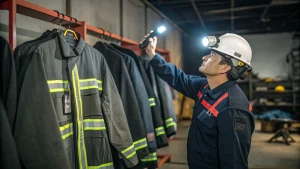
This is a process we help our clients with every single day. Selecting the right FR clothing is a critical safety decision, and it comes down to three simple steps.
Step 1: Conduct a Hazard Assessment
What are the real risks of your job? Are you exposed to short-duration flash fires in an oil refinery? Do you face arc flash hazards as an electrician? Or do you deal with sparks and molten metal as a welder? The specific hazard dictates the type and level of protection you need.
Step 2: Verify Compliance Requirements
Once you know the hazard, you can identify the standard. Your company's safety manager should specify the required standards, such as NFPA 2112 or NFPA 70E. Always look for the certification label on the garment to ensure it meets those requirements.
Step 3: Balance Protection with Practicality
This is where my insight from the beginning comes in. The "best" fabric isn't always the one with the highest protection rating. It's the one that provides compliant protection while also being comfortable and durable enough for daily wear. An uncomfortable garment is a dangerous one because it might be worn improperly or not at all. Consider the climate, the physical demands of the job, and the expected lifespan of the garment.
The most expensive FR fabric is always the best choice for every job.False
The 'best' choice is the one that correctly matches the specific hazard, compliance needs, and work conditions. An expensive aramid garment may be overkill for a hazard where a comfortable FR cotton blend is fully compliant and safer due to higher worker acceptance.
Worker comfort is a critical factor in PPE compliance, as uncomfortable gear is more likely to be worn improperly or not at all.True
This is a major real-world safety issue. If PPE is too hot, heavy, or restrictive, workers may be tempted to cut corners, completely negating the protective qualities of the gear.
Conclusion
Choosing the right FR fabric means balancing protection, compliance, and practicality. Understand your hazards, know the standards, and select a material that keeps you both safe and comfortable on the job.
References
[^1]: Explore the top flame-resistant fabrics to ensure maximum safety in high-risk jobs.
[^2]: Find out why inherent FR fabrics offer permanent protection and are preferred in hazardous environments.
[^3]: Understand arc flash protection standards to ensure safety in electrical work environments.
[^4]: Understand the NFPA 2112 standard to ensure compliance and safety in the workplace.
[^5]: Learn about thermal stability and its importance in protecting against severe burns.
