
![A collage of workers from different industries like oil & gas, electrical, and welding, all wearing FR clothing]](https://antifireclothing.com/wp-content/uploads/A-collage-of-workers-from-different-industries-lik.jpg)
What does FR mean in work clothes?
Working near sparks or flames is a daily reality for many. But your regular clothes can become a danger, catching fire and causing severe burns. FR clothing[^1] is the solution.
When you see “FR” on work clothes, it stands for Flame-Resistant[^2]. This means the apparel is made from special materials designed to self-extinguish when a fire source is removed. Unlike normal fabrics, FR clothing won't melt or continue to burn, drastically reducing burn injuries.

I've been in this industry for over 20 years, starting my career in textile engineering. I saw firsthand the terrible injuries caused by inadequate protective gear. The difference between a close call and a life-changing accident often comes down to the clothes on a worker's back. Understanding what "FR" truly means is the first step toward ensuring you or your team goes home safe every day. It’s more than just a label; it’s a layer of protection that can save your life. Let's dig deeper into what makes this gear so essential.
FR clothing is fireproof and will not burn at all.False
FR clothing is flame-resistant, not fireproof. It is designed to resist ignition and self-extinguish, but it can still be damaged by intense heat and fire.
The primary purpose of FR clothing is to prevent severe burn injuries from clothing ignition.True
FR clothing's self-extinguishing property prevents the garment from continuing to burn, which is a major cause of severe and extensive body burns in industrial accidents.
What exactly is FR clothing?
Are you confused by all the safety terms? You hear "FR" thrown around, but you may not know what makes it so different. I'll explain the science behind this life-saving gear.
FR clothing is made from materials that are either naturally flame-resistant or have been chemically treated to resist catching fire. Unlike regular cotton or polyester, these fabrics won't keep burning after a flame is gone, giving you critical seconds to escape danger.
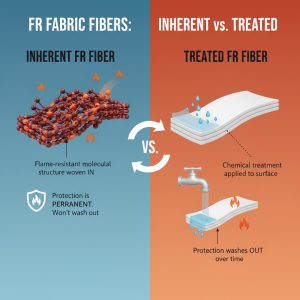
When I first started, most FR fabrics were treated. We've come a long way since then. To really understand FR clothing, you need to know the two main types of fabric technology.
Inherent vs. Treated FR Fabrics
The protection in your FR gear comes from one of two methods. Inherent FR fabric is made from fibers that have flame resistance built into their chemical structure. This protection is permanent and can't be washed out or worn away. Think of it like the color of your eyes; it's just part of what it is. On the other hand, treated FR fabric is typically a cotton or cotton-blend material that has been given its flame-retardant properties through a chemical application. This treatment can be very effective, but its protective qualities can fade over time with repeated or improper laundering.
| Feature | Inherent FR Fabric | Treated FR fabric |
|---|---|---|
| Protection Source | Fiber's chemical structure | Chemical treatment |
| Durability | Permanent, won't wash out | Can diminish over time |
| Initial Cost | Generally higher | Generally lower |
| Common Fibers | Modacrylic, Aramid | FR Cotton, Cotton Blends |
Choosing between them often depends on budget, laundering practices, and the specific needs of the job.
Washing treated FR clothing with bleach enhances its protective qualities.False
Using bleach or fabric softener on treated FR clothing can degrade the chemical treatment and severely compromise its flame-resistant properties.
Inherent FR fabric provides permanent flame resistance for the life of the garment.True
Because the FR properties are part of the fiber itself, they cannot be washed out or worn away, ensuring consistent protection.
Which industries need FR clothing?
Do you think your job is safe enough? A sudden flash fire or arc flash can happen in many industries, not just the obvious ones. Let's see if your workplace is on the list.
FR clothing is essential in any industry where workers face thermal hazards[^3]. This includes oil and gas, electrical utilities, welding, and heavy manufacturing. Anywhere workers are exposed to open flames, combustible dust, or potential arc flashes, FR gear is a mandatory piece of PPE.

Over the years, we at Xinke Protective[^4] have worked closely with safety managers across these sectors. Each environment has unique risks, and the right FR clothing is designed to meet those specific challenges. It's not a one-size-fits-all solution.
A Look at High-Risk Environments
Understanding the specific danger in your industry is key to selecting the right protection.
- Oil and Gas: The primary risk here is a flash fire, which is a sudden, intense fire caused by the ignition of a cloud of flammable gas, liquid, or combustible dust. FR clothing is designed to not ignite and give the worker precious seconds to escape the fire's path.
- Electrical Utilities: Electricians and utility workers face the terrifying danger of an arc flash. This is an explosive release of energy from an electrical fault. Arc-rated (AR) FR clothing is critical to protect against the intense heat and potential for ignition.
- Welding and Metalworking: Welders are constantly exposed to sparks, spatter, and radiant heat. FR clothing prevents these hot particles from igniting the garment or burning through to the skin.
- Manufacturing and Construction: Many of these sites have risks from grinding sparks, flammable chemicals, or combustible dust. Wearing FR gear provides a fundamental layer of safety against these unpredictable hazards.
FR clothing is only necessary for workers directly handling open flames.False
Many thermal hazards, such as arc flashes from electricity or flash fires from combustible dust, do not involve direct, sustained contact with an open flame but still require FR clothing for protection.
Standards like NFPA 2112 are specifically designed to protect against industrial flash fires.True
NFPA 2112 is the industry standard for flame-resistant garments for protection of industrial personnel against flash fire, and it sets minimum performance requirements for FR clothing used in these environments.
How does flame-retardant clothing actually protect you?
A fire happens in a split second. In that moment, your clothes can either become fuel for the fire or a shield against it. I'll show you how FR gear acts as your first line of defense.
FR clothing protects you by not igniting and continuing to burn when exposed to fire. Instead, the special fabric chars and forms a protective barrier. This insulates your skin from the heat, minimizes the severity of burns, and gives you crucial time to escape.

I'll never forget a safety report I reviewed early in my career. An accident involved two workers exposed to a brief flash fire. One wore a standard polyester-blend shirt, which melted onto his skin, causing horrific, life-altering burns. His colleague, who was wearing proper FR coveralls, walked away with only minor redness on his arms. That incident has stuck with me forever. It is the perfect example of why this technology matters.
The Science of Survival
The core protective function of FR clothing is its ability to self-extinguish. When you remove the source of ignition, the fire on the garment goes out on its own. This is the complete opposite of what happens with everyday clothing.
- Non-FR Cotton/Wool: These natural fibers will ignite and continue to burn, acting as fuel.
- Non-FR Synthetics (Polyester, Nylon): This is often the worst-case scenario. These fabrics ignite quickly, melt, and drip. The molten plastic sticks to the skin, causing deep, severe burns that are incredibly difficult to treat.
FR fabric, by contrast, creates a stable, insulating char when exposed to high heat. This char layer acts as a barrier between the fire and your skin, significantly reducing the amount of heat that gets through. This process is what minimizes burn injury and buys you the time you need to get to safety.
Wearing a cotton t-shirt under your FR coverall is a safe practice.True
While FR base layers are best, 100% cotton or other non-melting natural fibers are acceptable undergarments. They will not melt and stick to your skin like synthetics, which pose a significant hazard.
FR clothing makes you immune to burns.False
FR clothing is designed to significantly reduce the severity of burn injuries, not eliminate them entirely. In a serious event, burns are still possible, but they will be far less severe than if you were wearing non-FR clothing.
What is the arc rating on FR clothing?
You've probably seen that "cal/cm²" number on your FR gear's tag. It's not just a random code. Ignoring that number could be a fatal mistake in an arc flash event.
The arc rating, measured in calories per square centimeter (cal/cm²), tells you how much heat energy a fabric can block before the wearer would likely suffer a second-degree burn. Simply put, a higher number means greater protection against an electrical arc flash.

Matching the arc rating to the job is not optional; it's a critical safety requirement. A company's safety manager must perform a hazard risk assessment to determine the potential incident energy on a given job. Your gear must have an arc rating that meets or exceeds that potential energy level. At Xinke Protective, we rigorously test our garments according to standards like ASTM F1959 to ensure our arc ratings are accurate and reliable.
Decoding Your Arc Rating (ATPV)
The most common arc rating you'll see is the ATPV, or Arc Thermal Performance Value. This value, in cal/cm², represents the maximum amount of thermal energy that a fabric can be exposed to with a 50% probability of the wearer receiving a second-degree burn.
Electrical hazards are categorized into PPE Categories, which specify the minimum arc rating required.
| PPE Category | Minimum Arc Rating (cal/cm²) | Typical Garments |
|---|---|---|
| 1 | 4 | FR Shirt and Pants or FR Coverall |
| 2 | 8 | FR Shirt and Pants or FR Coverall |
| 3 | 25 | FR Coverall + FR Suit Components |
| 4 | 40 | FR Coverall + FR Suit Components |
It's vital to remember that you can't just pick the highest number. While more protection sounds good, higher-rated gear is often heavier and less breathable. The goal is to wear clothing rated for the specific hazard you face—no more, no less.
All FR clothing is also arc-rated.False
Not all FR clothing is arc-rated. Garments must be specifically tested under standards like ASTM F1959 to receive an arc rating (ATPV). FR clothing for flash fire (NFPA 2112) may not have an arc rating.
A hazard risk assessment is required to determine the necessary arc rating for a job.True
According to standards like NFPA 70E, employers must perform a hazard analysis to determine the potential incident energy of a task. Workers must then be equipped with AR/FR clothing that meets or exceeds that rating.
What types of flame-retardant clothing are available?
If you think FR gear is just limited to bulky, uncomfortable coveralls, you're in for a surprise. Modern protective clothing has evolved. You can stay safe without giving up comfort or function.
Flame-retardant clothing comes in many different forms to suit various jobs, climates, and safety requirements. You can find FR shirts, pants, coveralls, jackets, and even essential base layers. There are also specialized options for high-visibility, rain protection, and different levels of arc rating.
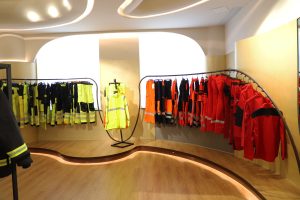
The key is to build a complete protective system. A single non-FR garment can create a dangerous weak point. That's why we've developed a comprehensive range of FR apparel at Xinke Protective, allowing workers to be fully protected from their base layer to their outerwear.
Building Your FR Wardrobe
A complete FR system ensures there are no gaps in your protection. Here are the most common types of FR garments you can use to build your safety wardrobe:
- FR Coveralls: These offer simple, one-piece, full-body protection. They are a go-to choice in industries like oil and gas and for dirty jobs where you need to protect your street clothes.
- FR Shirts and Pants: This two-piece option offers more versatility and comfort, especially in warmer climates. It allows for better layering and a more customized fit.
- FR Outerwear: For those working in cold or wet conditions, FR-rated jackets, parkas, and rainwear are essential. They provide protection from the elements without compromising your thermal protection.
- High-Visibility FR: For workers exposed to traffic or moving equipment, hi-vis FR clothing is critical. These garments meet standards like ANSI 107 and EN 20471 for visibility while also providing flame resistance.
- FR Base Layers: What you wear underneath your FR gear matters. FR base layers (like t-shirts and long underwear) add comfort and a final, critical layer of protection right next to your skin.
As long as your outer layer is FR, what you wear underneath doesn't matter.False
This is a dangerous misconception. Synthetic base layers like polyester or nylon can melt to your skin in a thermal event, even if your outer garment doesn't ignite. Always wear FR or 100% natural fiber underlayers.
You can layer FR garments to increase your total arc protection.True
Layering approved FR garments is a common and effective way to achieve a higher level of arc protection. The total protection is greater than the sum of the individual garment ratings, a principle known as the 'air gap effect'.
Why choose Xinke Protective for your FR workwear?
Choosing an FR clothing supplier can feel overwhelming. You need a partner who guarantees compliance, quality, and value. I'll show you why we are that partner for so many companies worldwide.
With over 20 years of dedicated experience, Xinke Protective is a global leader in industrial safety solutions. We control the entire manufacturing process, from producing the FR fabric to stitching the final garment. This ensures every single piece meets rigorous international standards like NFPA 2112[^5] and EN ISO 11612.

Today, that drive for superior protection is at the heart of everything we do. We aren't just selling clothes; we are providing a promise of safety.
Our Commitment to Your Safety
Our mission is to ensure every worker in a high-risk job has access to impeccable protection. We achieve this through several key strengths:
- Vertical Integration: By controlling the entire supply chain, from the yarn to the finished product, we maintain unparalleled quality control. We know exactly what goes into every garment.
- Proven Experience: With over two decades in the business, we have the expertise to create high-performance, durable, and comfortable FR solutions.
- Certified Protection: Our state-of-the-art testing laboratory ensures our products are certified to all major global standards, including UL, CE, EN, ISO, ASTM, and NFPA. Your compliance is guaranteed.
- Global Trust: We serve customers across North America, Europe, the Middle East, and Oceania, providing reliable safety solutions to a global workforce.
- Custom Solutions: We offer cost-effective OEM/ODM services for distributors and large organizations, tailoring our products to meet your specific needs for compliance, comfort, and budget.
Conclusion
FR clothing is not just a uniform; it's a critical piece of life-saving equipment. Understanding what it is and how it works helps you make the right choices to stay safe.
References
[^1]: Learn about the advantages of FR clothing and how it can prevent severe burn injuries in hazardous environments.
[^2]: Explore the science behind Flame-Resistant clothing and its importance in protecting workers from fire hazards.
[^3]: Identify industries that face thermal hazards and the necessity of FR clothing for worker safety.
[^4]: Discover why Xinke Protective is a trusted supplier for FR workwear and their commitment to safety.
[^5]: Explore the NFPA 2112 standards and their significance in ensuring the safety of workers in high-risk industries.
