
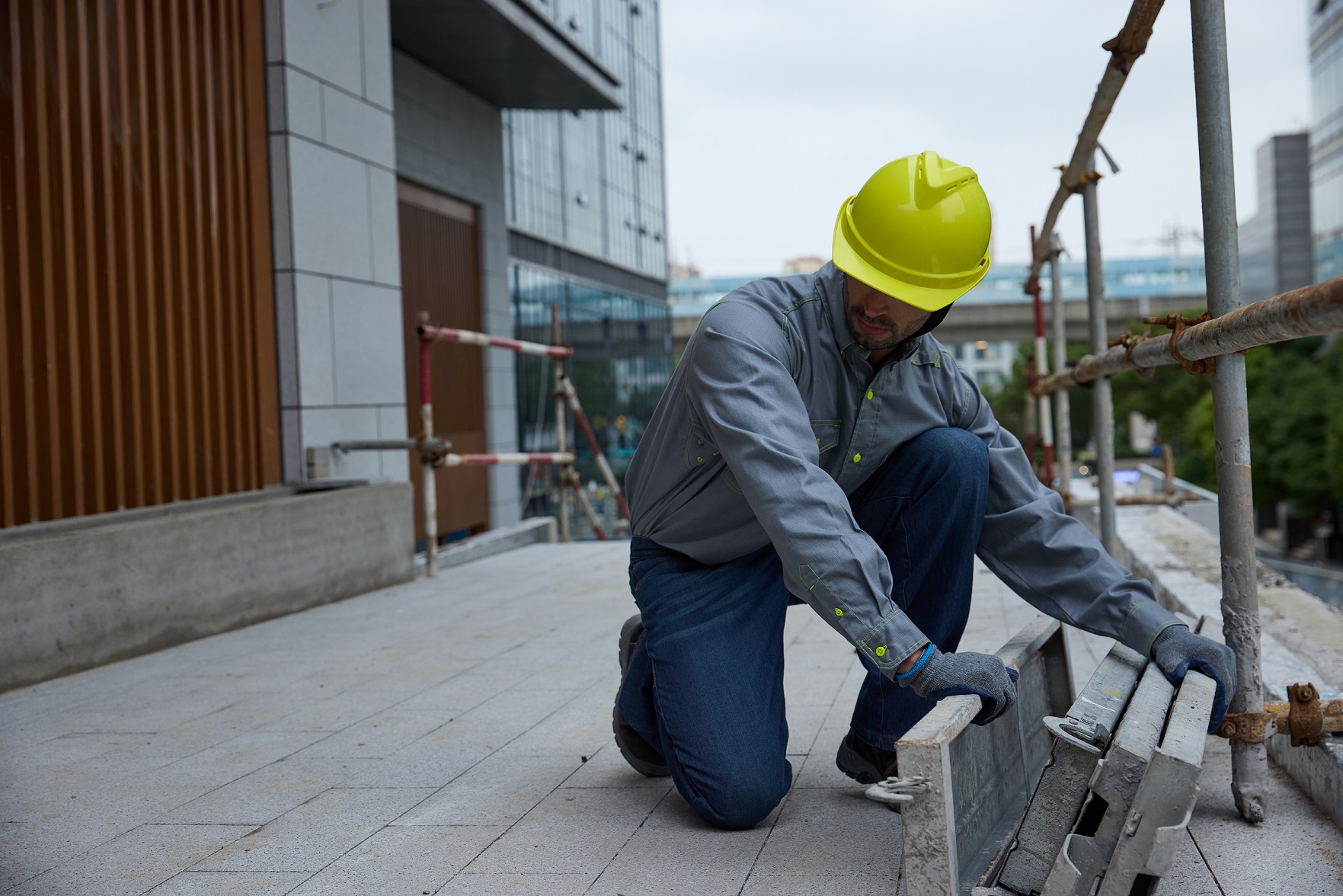
How long do FR jeans last?
Your FR jeans[^1] wear out, putting you at risk. Replacing them is costly and a hassle. I'll show you how to maximize their lifespan and your safety.
FR jeans typically last 12 to 18 months with regular use, but this can vary. Factors like work intensity, washing habits, and the quality of the jeans themselves are key to their longevity. Proper inspection and care are essential.
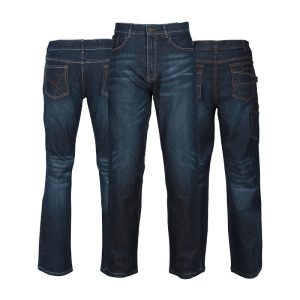
I've been in this industry for a long time. I've seen some guys make a pair of FR jeans last for years, while others burn through them in months. It's not just luck. It's about knowing what affects their life and how to care for them properly. Your safety depends on it. Let's dig into what really makes a difference.
Using fabric softener makes FR jeans more comfortable and doesn't affect their protective qualities.False
Fabric softeners and dryer sheets can coat the fibers of FR fabric, masking its flame-resistant properties and potentially making it flammable.
The work environment is one of the most significant factors in the wear and tear of FR garments.True
Exposure to abrasion, chemicals, and high heat in industries like welding or oil and gas dramatically accelerates the degradation of FR jeans compared to less harsh environments.
What Factors Affect the Lifespan of FR Jeans?
You think all FR jeans are the same. But some wear out fast. I'll show you the hidden factors that destroy your gear, so you can avoid them.
The lifespan of your FR jeans depends heavily on your work environment, how you wash them, and the quality of the fabric. Proper care is the biggest factor you can control.
The life of your jeans isn't set in stone. Three main things will decide how long they last. I've seen all three in action, and paying attention to them makes a huge difference.
Work Environment
Your job is the biggest test for your gear. If you're a welder, you're dealing with sparks and hot metal daily. If you work in a chemical plant, you have spills to worry about. Even just crawling or kneeling on rough surfaces causes a lot of abrasion. A less intense job, like site supervision, will naturally lead to a longer life for your jeans.
Washing and Care
This is where you have the most control. I've seen guys ruin a perfectly good pair of FR jeans by washing them in hot water with bleach. That's a surefire way to destroy the protective fibers. Using the right detergent and a gentle cycle makes a world of difference.
Fabric and Construction Quality
Not all FR jeans are created equal. A well-made pair from a trusted manufacturer like Xinke Protective will always outlast a cheaper alternative. We focus on high-performance materials and strong construction, like reinforced seams, because we know that's what keeps you safe and makes the gear last.
| Factor | High Impact (Shorter Lifespan) | Low Impact (Longer Lifespan) |
|---|---|---|
| Work | Welding, Grinding, Chemical Plants | Site Supervision, Electrical Work |
| Washing | Hot water, Bleach, Fabric Softener | Cool/Warm water, Mild Detergent |
| Abrasion | Constant kneeling, crawling | Mostly standing or walking |
FR jeans have an official expiration date printed on the label.False
FR clothing does not have a fixed expiration date. Its service life is determined by wear and tear, not a predetermined date. The date on the label is the manufacturing date.
The protective properties of inherent FR fabrics, like those used by Xinke Protective, cannot be washed out.True
Inherent FR fabrics have flame resistance built into their fiber structure. This protection lasts for the usable life of the garment and is not diminished by proper laundering.
What is the Average Lifespan of FR Jeans?
You're not sure when to replace your jeans. This uncertainty is dangerous. I'll give you clear timelines so you can stay protected and budget for new gear.
For daily, tough work, expect your FR jeans to last about 12 to 18 months. If you wear them less often, they might last 2 to 4 years. Regular inspection[^2] is more important than a calendar.
I've seen it firsthand. A buddy of mine working in pipeline construction went through jeans every year. The constant mud, abrasion, and rough work just ate them up. On the other hand, an electrical supervisor I know had his favorite pair for almost three years. It all comes down to how you use them. There's no single magic number, but we can break it down into general categories.
Daily, High-Intensity Work
If you're a welder, a mechanic, or you work on an oil rig, you are putting your gear to the test every single day. You're facing sparks, chemicals, and constant abrasion. In this case, a 12-18 month lifespan is a realistic expectation for a pair of jeans. After that, the fabric starts to thin out and the risk of failure goes up.
Moderate, Occasional Use
Maybe you're a safety manager who is only on-site a few times a week. Or your job doesn't involve heavy physical labor. Your jeans will last much longer. You could easily see 2-4 years of service from a single pair, as long as you care for them and they don't get contaminated. The key is that they aren't being worn down every single day.
| Usage Frequency | Estimated Lifespan | Key Consideration |
|---|---|---|
| Daily (High-Wear) | 12-18 Months | Inspect weekly for damage. |
| 3-4 Times/Week | 18-36 Months | Inspect monthly. |
| Once a Week or Less | 2-4+ Years | Inspect before each use. |
Washing FR jeans with regular clothes is perfectly safe and effective.False
Washing FR garments separately prevents flammable contaminants from other clothes (like oils or grease) from transferring onto the FR fabric, which could compromise its safety.
Turning FR jeans inside out before washing helps preserve the fabric's surface and color.True
This simple step reduces pilling and abrasion on the outside of the jeans during the wash cycle, helping to maintain the garment's appearance and structural integrity for longer.
How Can You Extend the Life of Your FR Jeans?
Are you tired of buying new FR jeans so often? It's a drain on your wallet. I'll share simple care tips that can double the life of your gear.
To make your FR jeans last, wash them inside out in cool or warm water with a mild detergent. Never use bleach or fabric softeners. Tumble dry on low or hang dry.

Proper care is the secret weapon for longevity. It's not complicated, but you have to be consistent. Think of it as maintenance for your most important piece of safety equipment. I've seen these simple steps make a pair of jeans last an extra year.
The Right Way to Wash
Always turn your jeans inside out before washing. This protects the outer surface from getting beaten up by the washing machine. Use a mild soap or detergent, not some harsh industrial cleaner. And keep the water temperature cool or warm, never hot. Hot water can shrink the cotton fibers and weaken the fabric over time.
Proper Drying Techniques
High heat is the enemy of FR clothing. It can damage the FR properties and shrink the garment. The best method is to hang them up to air dry. If you must use a dryer, tumble dry on the lowest heat setting possible and take them out as soon as they're dry.
Smart Repair Practices
A small hole can become a big, dangerous problem. If you get a tear, you need to patch it immediately. But you can't use just any patch. You must use FR-rated fabric and FR thread. A standard cotton patch will just create a flammable spot on your safety gear.
| Do's | Don'ts |
|---|---|
| Wash inside out | Use bleach or peroxide |
| Use mild detergent | Use fabric softener |
| Tumble dry low or hang dry | Dry on high heat |
| Repair with FR materials | Ignore small holes or tears |
A small hole in FR jeans can be safely ignored as long as it's not in a critical area.False
Any hole, no matter how small, is a failure point. It allows heat and flame to reach your skin directly, defeating the purpose of the protective garment. All holes must be repaired or the garment retired.
Faded color can be an indicator that FR jeans are nearing the end of their service life.True
While some fading is normal, excessive fading can indicate that the fabric has been exposed to extensive UV light or harsh wash cycles, which can weaken the fibers and reduce their protective strength.
When Should You Replace Your FR Jeans?
Wearing damaged FR gear is a huge risk. But how do you know when it's time? I'll show you the clear signs that your jeans are no longer safe.
You must replace FR jeans if they have holes, tears, or frayed seams that can't be properly repaired. Also, retire them if they are contaminated with flammable substances or the fabric is worn thin.
This is the most important question of all. Your safety is on the line. I tell everyone I train: "When in doubt, throw it out." A new pair of jeans is much cheaper than a hospital visit or a serious injury. You need to inspect your gear regularly.
Visible Damage
This is the easiest thing to spot. Look for holes, rips, or tears. Pay close attention to the seams, especially in high-stress areas like the crotch and knees. If a patch can't fix it, or if the fabric around the hole is weak and thin, the jeans are done. A hole is a direct path for fire to reach your skin.
Chemical Contamination
If your jeans get soaked with a flammable substance like oil, grease, or a solvent, they might be ruined. If you can't wash the contaminant out completely, the jeans are a fire hazard. That substance can act as fuel, making the FR properties useless.
Fabric Degradation
Sometimes the damage isn't as obvious as a hole. Grab the fabric in the knees or seat and hold it up to a light. If you can see through it, or if it feels thin and flimsy compared to a newer pair, it has lost its strength. It won't provide the protection you need in a flash fire or arc flash event.
Inspection Checklist:
- Are there any holes or tears?
- Are the seams, zippers, and buttons intact?
- Is the fabric worn thin in any areas (knees, seat)?
- Are there any stains from flammable chemicals?
- Is the fabric color excessively faded?
The higher the price of FR jeans, the better the protection.False
Price is not the sole indicator of quality. The most important factors are compliance with safety standards (like NFPA 2112) and the reputation of the manufacturer. A certified, cost-effective option can be just as safe.
Xinke Protective has over 20 years of experience in manufacturing protective apparel.True
Founded by an industrial safety veteran, Xinke Protective has evolved from a fabric producer to a global supplier of FR/AR clothing, serving high-risk industries worldwide for over two decades.
How Do You Choose High-Quality FR Jeans for Maximum Durability?
Choosing the right FR jeans feels overwhelming. A bad choice means less safety and wasted money. I'll guide you to pick durable, compliant jeans every time.
Look for jeans from a trusted manufacturer like Xinke Protective. Check for certifications[^3] like NFPA 2112 and ASTM F1506. Examine the fabric weight, stitching quality, and reinforced stress points for durability.

Your choice of gear is a choice for your safety. I've learned that investing in quality from the start saves money and provides peace of mind. This is where a company like Xinke Protective really shines. With over 20 years of experience, they started by making the fabric itself, so they know exactly what goes into a durable, safe garment.
Understanding Certifications
Don't just take a brand's word for it. Look for the labels on the garment. Standards like NFPA 2112 (flash fire) and ASTM F1506 (arc flash) are non-negotiable. They are proof that the garment has been tested to protect you. Xinke Protective is certified to these and many other global standards, like EN ISO 11612, so you know you're getting proven protection.
Examining Fabric and Construction
Feel the fabric. A good pair of FR jeans will feel substantial, not flimsy. Look for heavy-duty stitching, especially triple-stitched main seams. Check for reinforcements, like extra fabric layers in the knees or bar tacks on pockets. These details are what make a pair last under tough conditions.
Why Brand Matters
A reputable brand has a reputation to protect. They invest in things like state-of-the-art testing labs to ensure every single product meets its safety promise. This commitment to quality and safety is why I trust brands with a long history of protecting workers in high-risk jobs.
| Certification | What It Means for You |
|---|---|
| NFPA 2112 | Protects against flash fire hazards. |
| ASTM F1506 | Protects against electric arc flash hazards. |
| EN ISO 11612 | International standard for protection against heat and flame. |
| OEKO-TEX 100 | Fabric is tested and free from harmful substances. |
Conclusion
The life of your FR jeans depends on quality, use, and care. Inspect them often and replace them when damaged. Your safety is always the top priority.
References
[^1]: Explore the best options for FR jeans to ensure safety and longevity in hazardous work environments.
[^2]: Regular inspections are crucial for safety; find out how often you should check your FR jeans.
[^3]: Understanding certifications can help you choose FR jeans that meet safety standards and provide reliable protection.
