
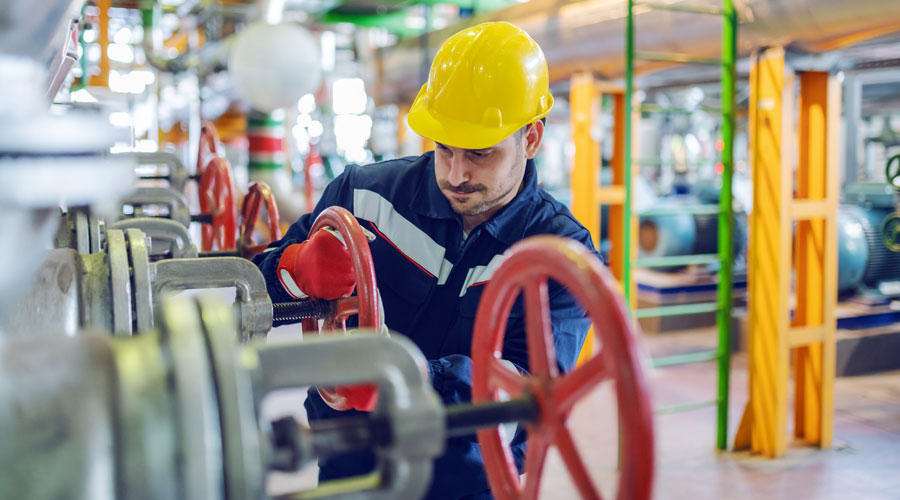
A Complete Guide to Choosing High-Performance Oil Field Workwear
Working in the oil and gas industry means facing some of the toughest environments in the world—extreme heat, unpredictable weather, chemical exposure, and constant mechanical hazards. High-performance oil field workwear isn’t just clothing; it is a critical line of defense that protects workers, improves efficiency, and ensures compliance with international safety standards.
If you are selecting workwear for drilling, extraction, refining, or maintenance operations, this guide will help you understand what truly matters.
1. Prioritize Flame-Resistant (FR) Protection
Oil and gas sites involve flammable vapors, flash fire hazards, and electrical risks. High-performance oil field clothing must meet recognized FR standards such as:
(1)NFPA 2112 for flash fire protection
(2)NFPA 70E / IEC 61482 for arc flash protection
(3)EN ISO 11612 for heat and flame resistance
Choosing inherent FR fabrics or treated cotton FR fabrics depends on the environment, durability needs, and comfort requirements. Inherent fabrics deliver permanent protection, while quality-treated cotton offers breathability and cost efficiency.
2. Pick Fabrics Designed for Harsh Oilfield Conditions
The oilfield demands fabrics that balance strength, mobility, breathability, and protection. Look for:
(1)High tear and abrasion resistance for rough surfaces
(2)Oil- and water-repellent treatments to keep garments clean and functional
(3)Moisture-wicking inner layers to improve comfort in hot environments
(4)Mechanical 4-way stretch fabric for better movement and reduced fatigue
The goal is to ensure comfort without sacrificing safety.
3. Ensure Full-Body Coverage and Smart Design Details
Good oil field workwear protects the entire body while allowing workers to move freely. Key features include:
(1)Double- or triple-stitched seams for durability
(2)Reinforced knees and elbows for physically demanding tasks
(3)Adjustable cuffs, hems, and waists to improve fit
(4)High-visibility segments or reflective tape for low-light safety
(5)Functional pockets for radios, tools, and personal equipment
(6)Heat-resistant zippers and buttons to maintain integrity under high temperatures
These design choices directly impact worker efficiency and long-term garment lifespan.
4. Evaluate Weather Resistance and All-Season Performance
Oil workers encounter intense sunlight, freezing temperatures, strong winds, and heavy rain. That’s why multi-season solutions matter:
(1)Insulated FR jackets for cold environments
(2)Lightweight, breathable FR shirts for hot climates
(3)Waterproof shells with taped seams for rainy conditions
(4)Soft-shell or multi-layer systems for variable weather
Layering systems allow workers to adapt quickly without compromising protection.
5. Check Compliance With Industry Regulations
High-risk workplaces require proven safety performance. Always verify that garments:
(1)Carry proper certification labels
(2)Pass third-party testing for flame resistance, shrinkage, and durability
(3)Meet company or project-specific safety requirements
Working with a manufacturer known for strict quality control and international compliance—such as professional FR clothing producers—helps ensure reliability on every job site.
6. Consider Customization for Better Safety & Branding
Customized oil field workwear can significantly improve worksite consistency and protection:
(1)Company logo printing or embroidery
(2)Custom reflective tape patterns
(3)Tailored sizing for improved comfort
(4)Optional pockets or tool loops
(5)Color-coding for job functions or departments
Customization not only strengthens brand identity but also enhances worker safety through unified appearance and better fit.
7. Invest in Trusted Quality and Long-Term Value
The best oil field workwear is not necessarily the cheapest—it is the gear that protects workers shift after shift. When evaluating suppliers, consider:
(1)Fabric performance and lifespan
(2)Real-world testing data
(3)Reliability of FR protection after washing
(4)Manufacturer experience in the oil and gas sector
(5)Availability of full product ranges (shirts, pants, coveralls, jackets)
Reliable workwear reduces replacement costs and prevents safety incidents.
Conclusion
Choosing high-performance oil field workwear means balancing safety, durability, comfort, and standards compliance. With the right gear, workers can stay protected in the most demanding environments—while companies reduce risk and strengthen operational efficiency.
If you need help developing or selecting professional FR workwear for oil and gas projects, I can also help you write product descriptions, highlight technical features, or craft LinkedIn promotional content.
